
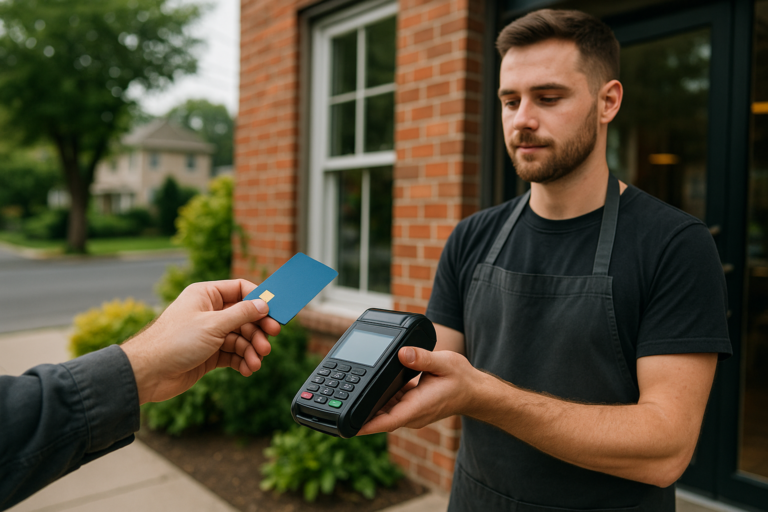
Frequently Asked Questions About Credit Card Processing in Brookdale, New Jersey
What are the options for credit card processing for small businesses in Brookdale, NJ?
Most small businesses choose between traditional merchant accounts and payment service providers. You may also use mobile card readers for in-person sales, or an integrated setup for online ordering, invoicing, or recurring billing. The right option depends on how you take payments (swipe, dip, tap, online), how many transactions you process, and whether you need reporting for accounting. A payment specialist can help you compare card-present and card-not-present needs before you decide.
How do credit card processing fees typically work?
Credit card processing costs usually come from a combination of interchange fees, network assessments, and payment processor charges. Additional expenses may apply for equipment rentals, gateway services for online payments, chargebacks, or monthly account fees. Because fees can vary by card type and transaction method, it’s helpful to review a sample pricing statement for your expected volume and average ticket size. Avoid focusing only on one line item; compare the total cost across the payment types you use.
Can I accept contactless (tap-to-pay) and chip cards?
Yes. Modern processors and terminals support EMV chip cards and contactless payments, which use the same card account while reducing friction at checkout. If you’re currently using older equipment, you may need to upgrade terminals or ensure your payment provider supports tap-to-pay. For best results, confirm that your setup supports the payment types you expect customers to use (chip, tap, swipe fallback). This also helps keep transactions smooth during busy periods.
What’s the best way to handle online and invoiced credit card payments?
Online payments and invoicing usually require a payment gateway and a secure checkout flow. Your system should capture customer details safely, minimize checkout steps, and support fraud-prevention tools. For invoicing, look for options that allow customers to pay immediately via a link and that keep records for reconciliation. It’s also important to confirm how refunds and chargebacks are processed. If you already use an accounting or POS system, integration can reduce errors and duplicate entry.
How can I reduce chargebacks and payment disputes?
Chargebacks often stem from unclear transaction details, processing errors, or customer confusion about the purchase. To reduce risk, keep receipts and item descriptions consistent, use address verification where appropriate, and provide clear policies for returns, cancellations, and delivery. For online payments, ensure the billing and order details match what the customer expects. Train staff on correct card handling and receipts, and review chargeback reasons regularly so you can address root causes over time.