
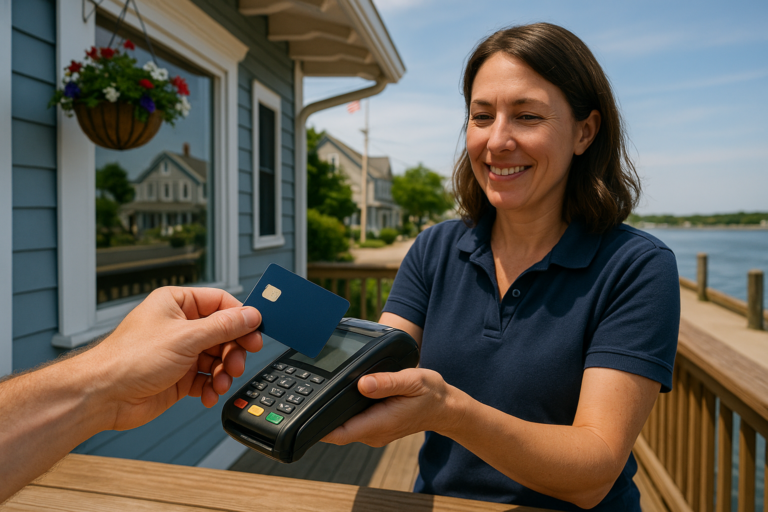
Frequently Asked Questions About Credit Card Processing in Blue Point, New York
What types of credit card processing solutions are available for small businesses in Blue Point?
Most providers can support several setup styles depending on your business and sales channels. Common options include countertop terminals, mobile card readers for events or on-the-go sales, and virtual terminals for phone or online orders. If you accept cards in-store and also take orders remotely, ask about integrated payment systems that keep reporting consistent. A local provider can also help you choose between traditional merchant accounts and payment services based on how you process today.
How do I choose between a card terminal and a mobile or online payment option?
Start with where transactions happen most often. If customers typically swipe or tap at your counter, a standard terminal is usually simplest. If you frequently meet customers off-site, attend fairs, or take orders at your location but move around, a mobile reader may be better. For phone orders or e-commerce, a virtual terminal or payment gateway is typically required. Consider how you want receipts delivered and whether you need centralized reporting.
What fees should I expect in credit card processing, and how can I understand them?
Credit card processing fees can include multiple components, such as transaction costs, possible monthly service or gateway fees, and charges tied to card type or processing method. The exact structure varies by provider, so request a clear breakdown of all recurring and per-transaction items before you start. Be sure you understand what happens to your effective rate when you use chip, contactless, or keyed-in transactions. Also ask about any batch, dispute, or statement-related fees that may apply.
Can I accept contactless payments and EMV chip cards, and will my current equipment work?
Contactless (tap-to-pay) and EMV chip processing are widely supported, but compatibility depends on what you currently use. If your terminal is older, it may not support newer card technologies or may require firmware updates or replacement. A processing provider can help you confirm whether your hardware supports chip and contactless, and whether it can connect securely to their platform. If you’re considering upgrading, ask about how new equipment will affect receipt options and daily settlement.
How does chargeback handling work, and what should I do to reduce them?
Chargebacks occur when a cardholder disputes a transaction, so you’ll typically need documentation to respond. Ask your provider how disputes are submitted, what evidence is expected (such as receipts, proof of fulfillment, or signed authorizations where applicable), and how timelines generally run for the process. To reduce disputes, ensure transactions are accurate, keep clear customer records, and use consistent descriptions on receipts and invoices. Good refund and cancellation practices can also help prevent avoidable disputes.